Ginseng without Ophiopogon japonicus cannot tonify, Angelica sinensis without Chuanxiong cannot function, and Poria without Atractylodes macrocephala cannot dispel dampness
Many friends like to use traditional Chinese medicine for health preservation, but it's easy to get overheated or feel like it's not effective without realizing it. The problem often lies in "combination"—traditional Chinese medicine emphasizes the principle of chief, deputy, assistant, and envoy herbs, like teamwork, where solo efforts often fail to show true results. Today, let's talk about three classic herb pairs. Understanding them, you can also create more suitable health-preserving formulas for yourself.
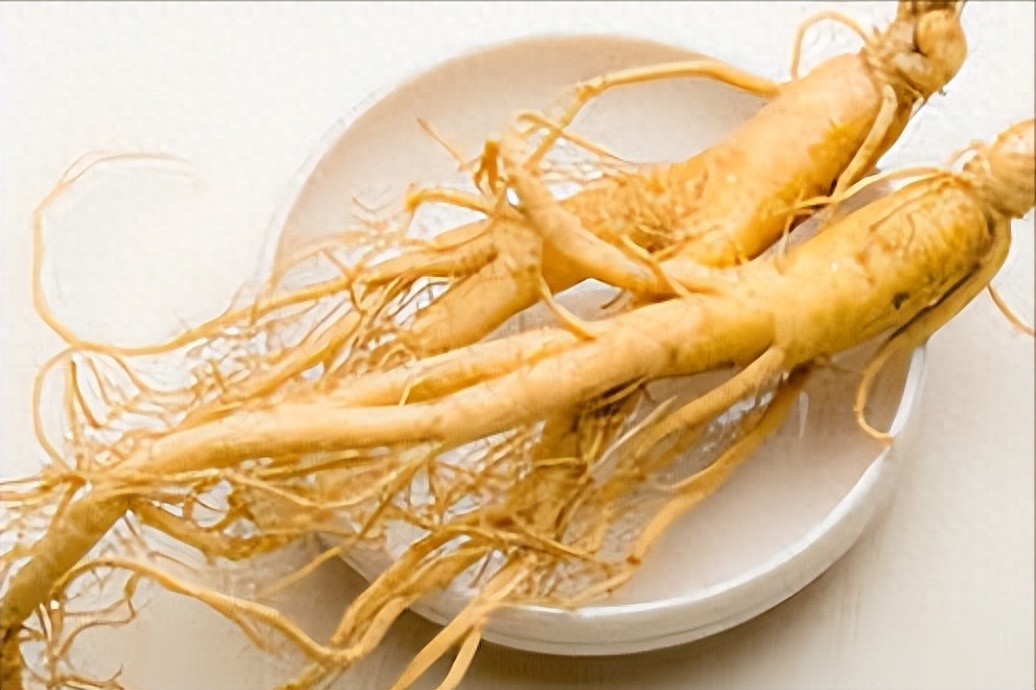
First, let's talk about "Ginseng paired with Ophiopogon japonicus." Ginseng is the best for tonifying qi, but it has a tendency to be warm and dry, and using it alone for too long can lead to dry mouth, sore throat, or even nosebleeds. This isn't because Ginseng is bad, but because it consumes the body's yin fluids while tonifying qi. It's like burning a boiler—too much fire can easily dry up the water. Ophiopogon is like adding water to the boiler. It is sweet and cool, nourishing yin and generating fluids, which can alleviate the dryness of Ginseng and allow the qi tonified by Ginseng to be truly absorbed by the body. This is what TCM calls "dual replenishment of qi and yin."
Next, let's talk about "Danggui paired with Chuanxiong." Danggui is a superior blood-nourishing herb, but blood isn't just about supplementing; it also needs to circulate. If you only supplement without promoting circulation, it can easily lead to stagnation, resulting in chest tightness and abdominal distension. Chuanxiong is hailed as the "qi herb in the blood," as it promotes qi and blood circulation, driving blood flow. When Danggui and Chuanxiong are paired, one nourishes blood while the other promotes blood flow, much like dredging a river while introducing flowing water. This ensures nourishment without sluggishness and promotion without injuring blood.
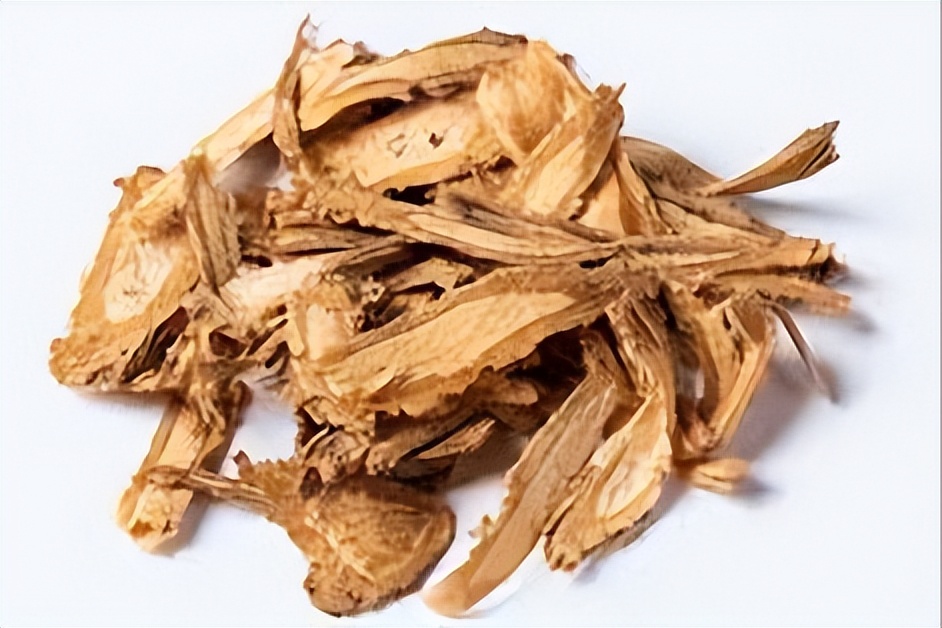
Finally, there's "Fu Ling paired with Bai Zhu." Fu Ling promotes diuresis and dispels dampness, but many people with heavy dampness use it alone in decoctions, only to find that the effect is not significant, or even that they feel more exhausted. The root of dampness lies in spleen deficiency, which is the source of dampness generation. Bai Zhu dries dampness and tonifies the spleen, enhancing the spleen's function in transforming and transporting water-dampness. Fu Ling is responsible for "draining water," while Bai Zhu is responsible for "reinforcing the embankment." Only when they are used together can the fundamental issue of dampness be addressed.
I once had a middle-aged female patient in her 40s who always felt heavy and weak, with sticky stools and thick, greasy tongue fur, a classic case of spleen deficiency with dampness obstruction. She had been drinking Fu Ling decoctions alone for two months with no significant improvement. I advised her to switch to decocting Fu Ling and Bai Zhu together, and after one week, she felt much lighter and her appetite improved. This demonstrates the power of herb pairings—where one plus one can be greater than two.
Traditional Chinese medicine wellness isn't just about simply brewing herbs in water; it requires understanding the synergistic relationships between herbs. Even for daily health tea, proper pairing can yield twice the result with half the effort. Of course, if you have more severe discomforts, it's still recommended to consult a professional TCM practitioner for syndrome differentiation and regulation