Poria
"Huainanzi" states: Under a thousand-year-old pine tree grows Poria cocos, while dodder vines grow above it. Poria is a type of fungus that commonly grows at the roots of pine trees, feeding on the tree's nutrients. Ancient people believed Poria was formed by absorbing the vital essence of pine roots, symbolizing health, longevity, and good fortune.
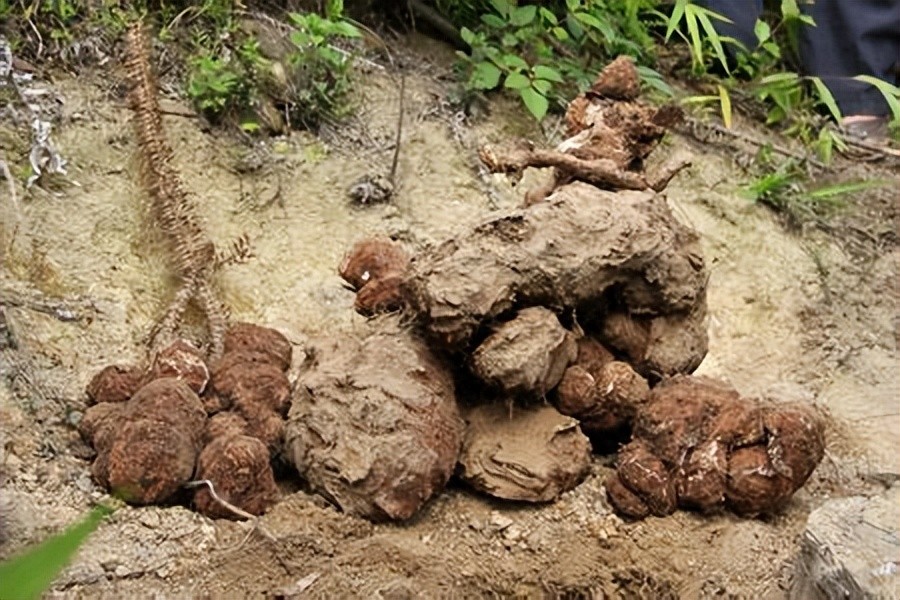
Wild Poria Cocos
The "Shennong Ben Cao Jing" first documented Poria cocos, listing it as a top-grade medicinal herb. It states that long-term consumption can calm the spirit, nourish vitality, prevent hunger, and prolong life.
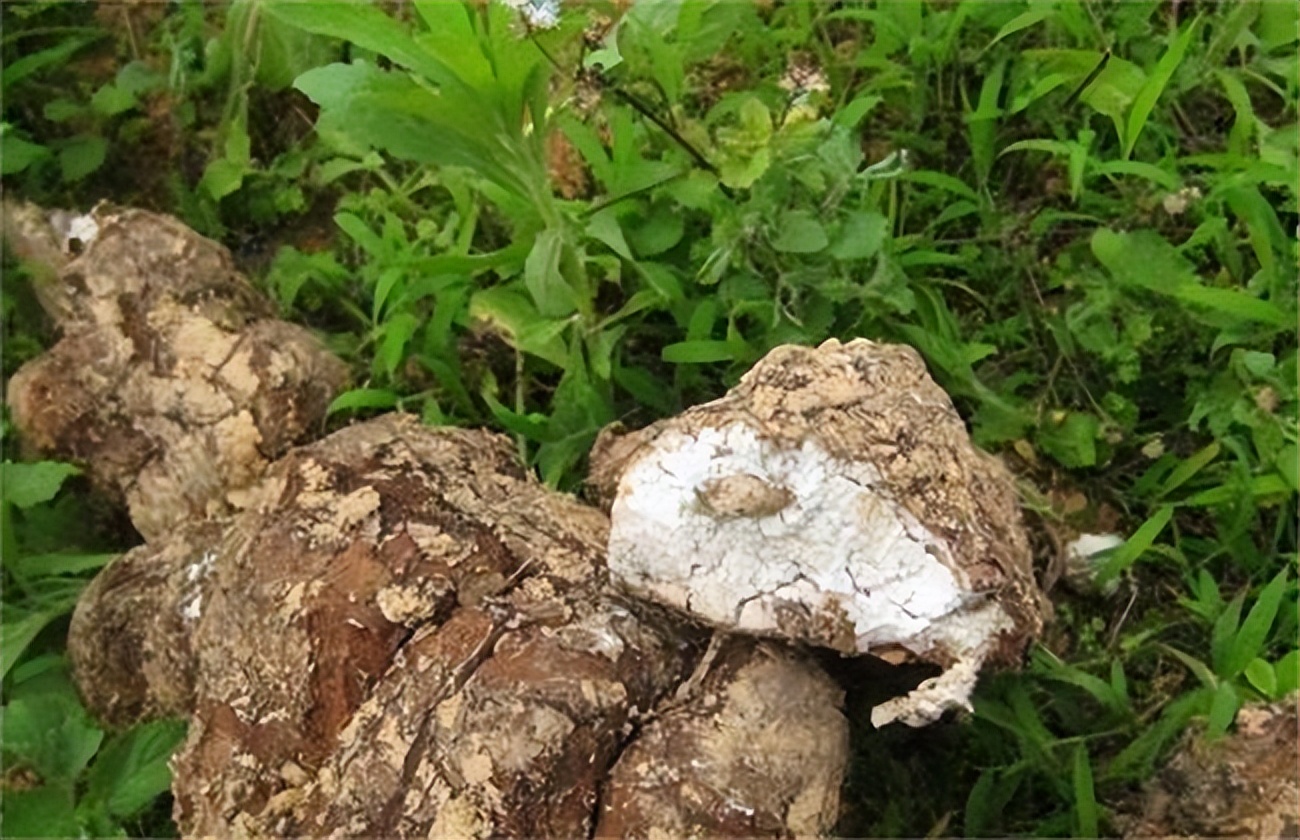
Poria has a neutral nature and is an excellent medicinal herb for promoting diuresis, draining dampness, invigorating the spleen, and harmonizing the stomach. Drinking it as an infusion can strengthen the spleen, providing certain regulatory effects for conditions such as spleen deficiency with reduced food intake, loose stools, and diarrhea. Additionally, Poria enters the Heart meridian and has a calming effect, helping to alleviate symptoms like palpitations, insomnia, and restlessness, thereby improving sleep quality. Moreover, drinking Poria water can promote diuresis and drain dampness, relieving symptoms such as edema, oliguria, and dysuria.
Many food products processed with Poria were cherished by ancient people. Legend has it that Su Zhe, the younger brother of Su Shi, was frequently ill in his youth, suffering from poor appetite in summer and lung vulnerability to cold in autumn, with prolonged medication proving ineffective. Once, during a conversation with a friend, he learned that practicing qigong and consuming Poria could cure his ailment. Following his friend's advice for a year, he indeed recovered completely. Afterwards, he diligently studied various medical texts and created "Poria Congee." Later, he shared this recipe with his father Su Xun and his elder brother Su Shi, and the entire family consumed it.
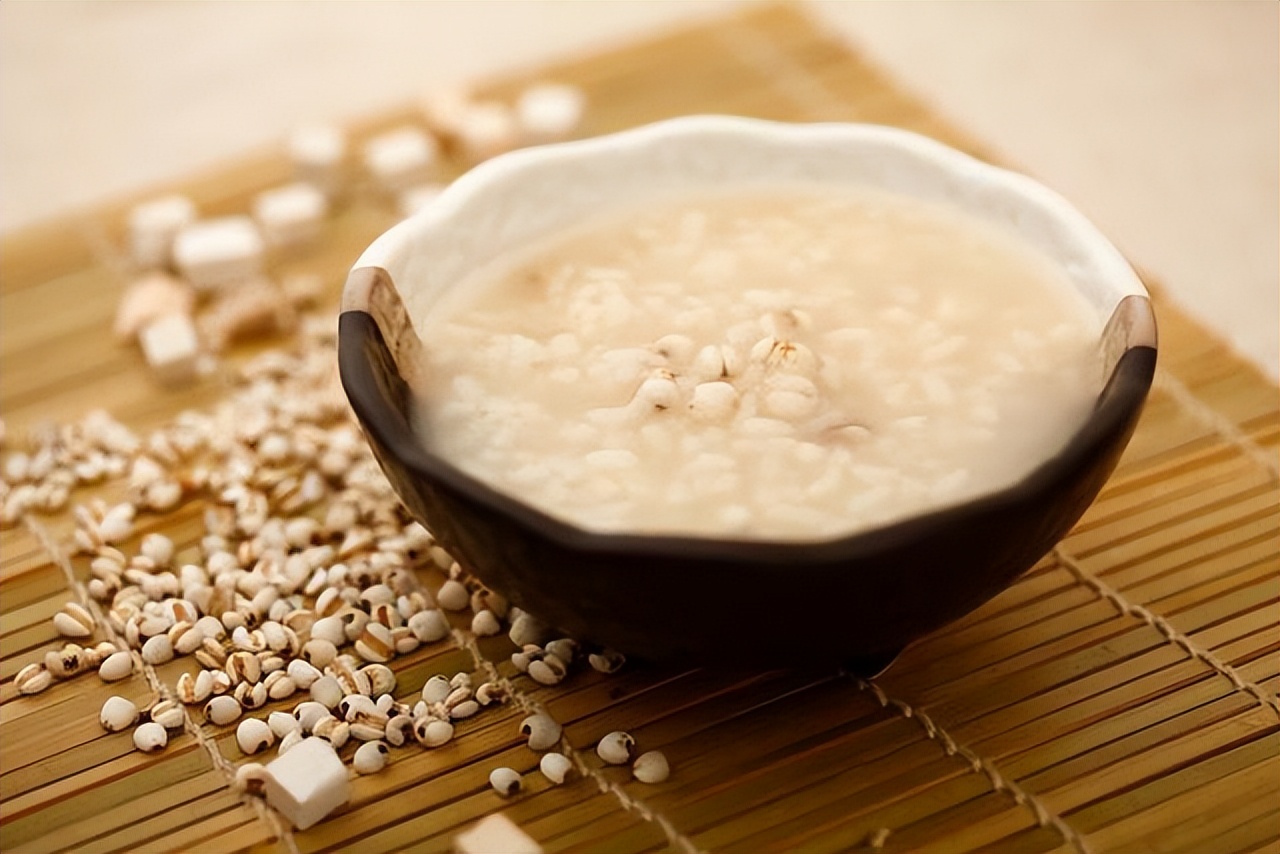
Poria Congee
Legend has it that Empress Dowager Cixi suffered from heart pain, with constant worry, poor appetite, and no relief after prolonged treatment. Someone then suggested that a 100-year-old enlightened monk at Xiangshan Fahai Temple possessed a secret recipe for this condition. Empress Dowager Cixi personally went to seek the recipe, and the monk gave her several small cakes, claiming miraculous effects after consumption. After eating them for a few days, her symptoms disappeared completely. She then ordered studies on these cakes. Court physicians discovered that the secret of the monk’s cakes lay in using Poria powder as an ingredient. Later, through continuous refinement by imperial chefs, the cakes retained their efficacy while achieving a more appealing appearance and better taste. Empress Dowager Cixi particularly loved these "Poria cakes" and reportedly experienced "rejuvenation"—not only did her heart pain rarely recur, but her hair also turned from white to black. She often rewarded her favored court officials with these cakes.
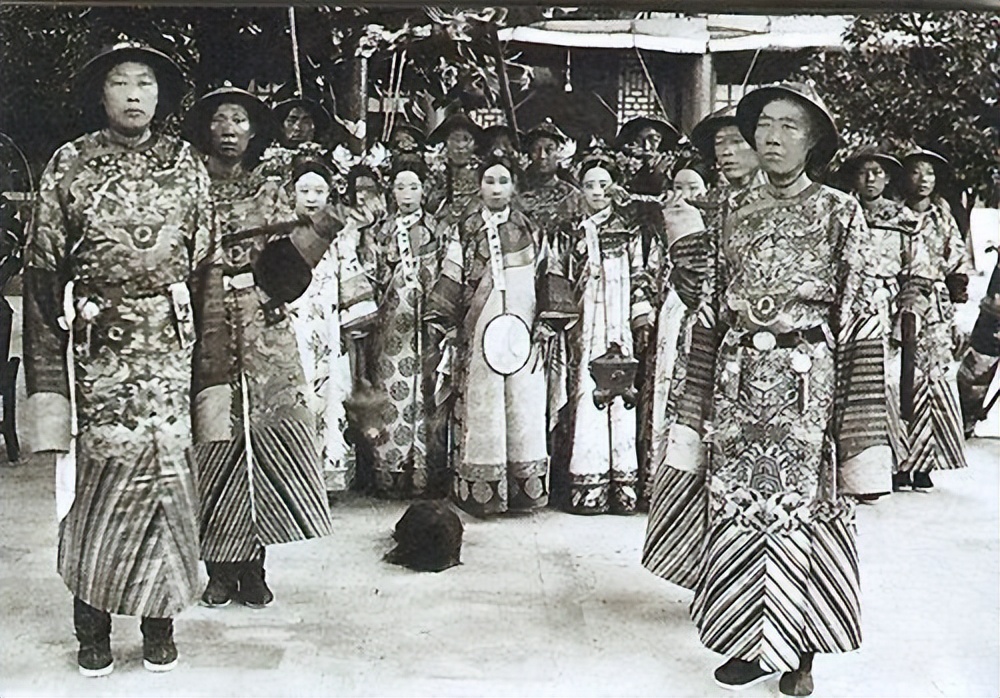

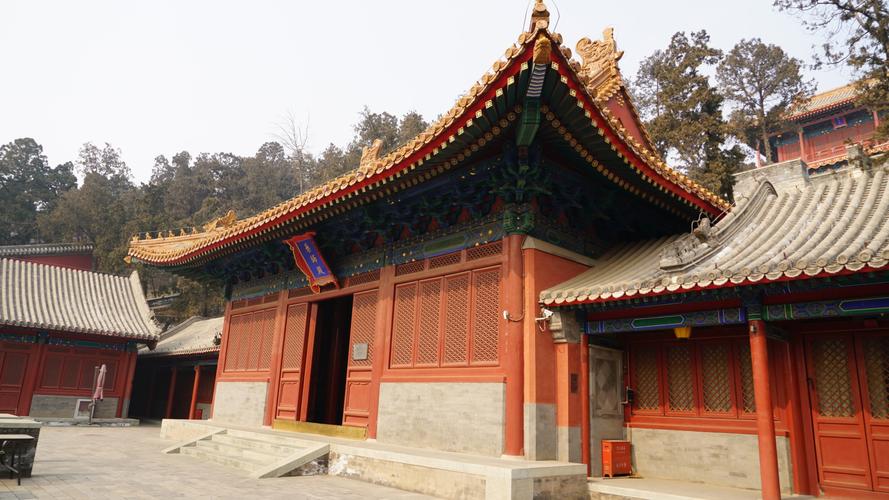
Fahai Temple
Later, Fuling cakes became popular among the people, evolving into a widely cherished health food renowned far and wide. Additionally, Fuling pastries, Fuling steamed buns, and Fuling tea are also celebrated as famous nourishing foods.