Angelica sinensis (Blood-Tonic Herb)
Angelica sinensis (Danggui) has been revered since ancient times as a sacred herb for regulating menstruation and nourishing blood, with the saying "Nine out of ten prescriptions contain Danggui." Beyond this, it frequently appears in various renowned medical classics. Today, let's discuss Danggui.
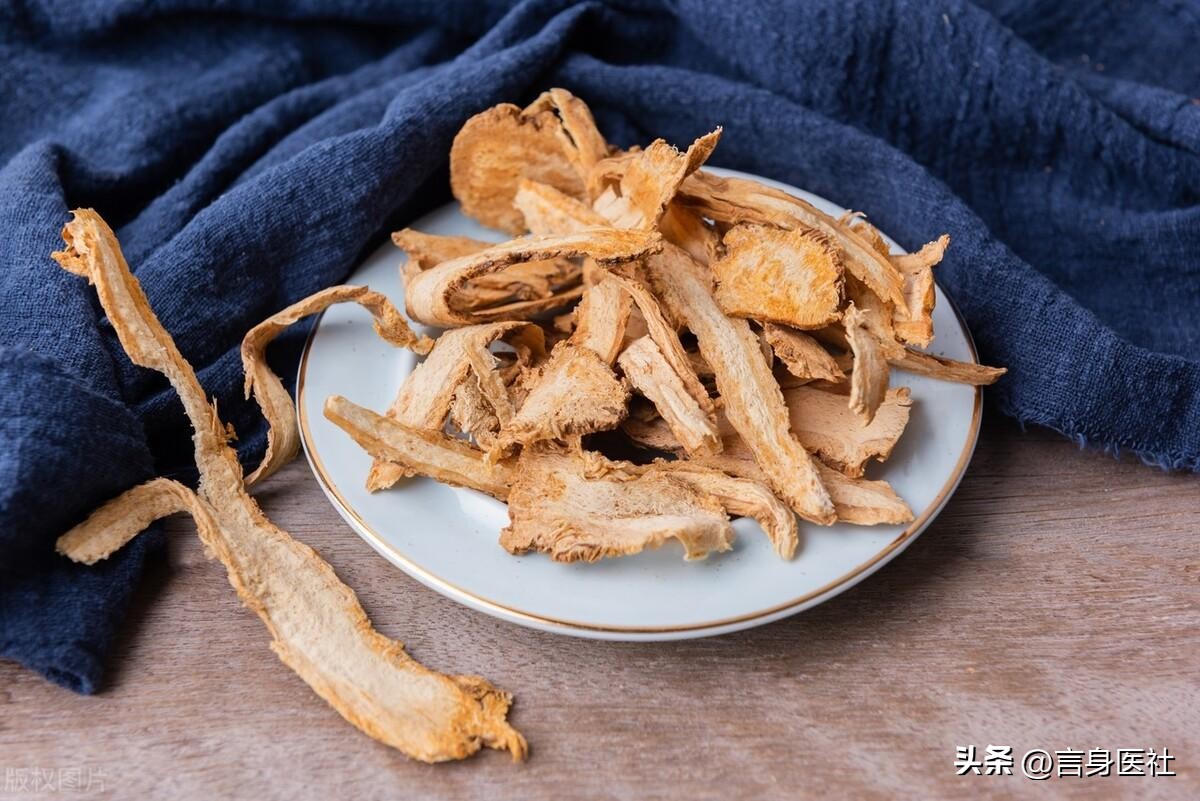
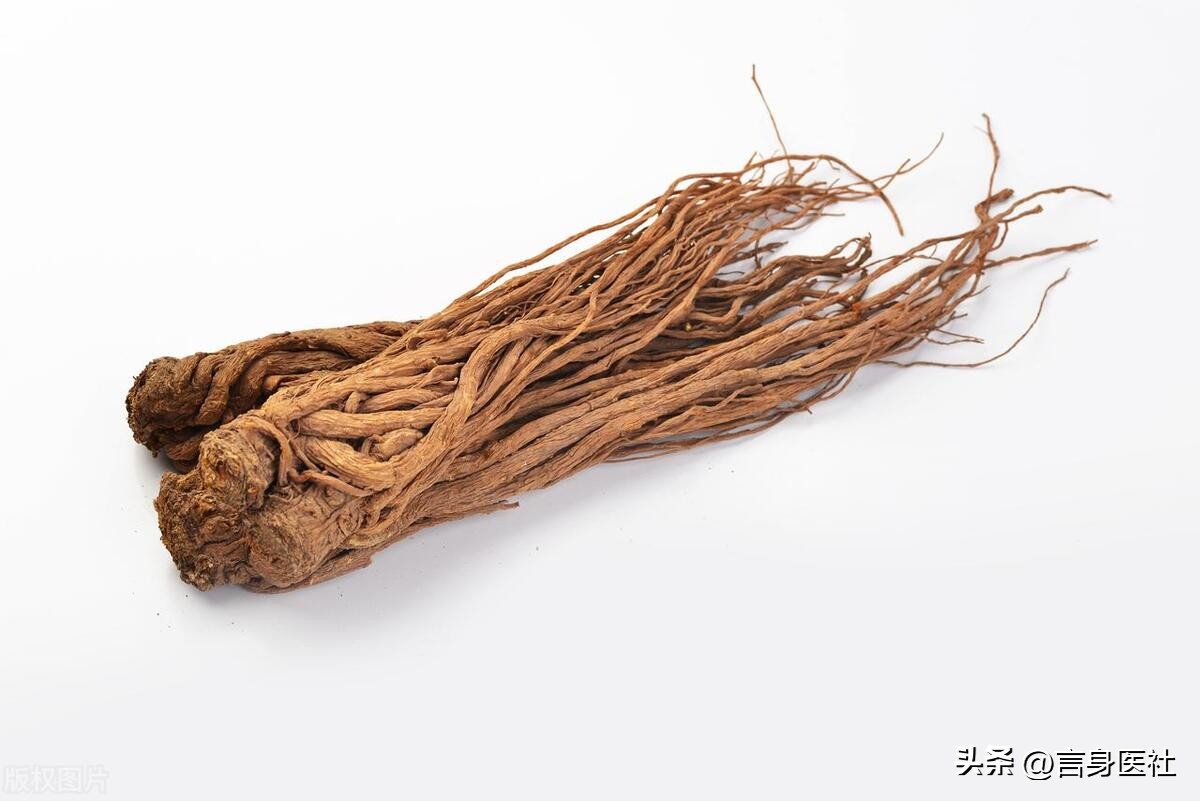
The naming of Danggui is closely tied to its functions. Song Dynasty scholar Chen Cheng noted: "Danggui treats postpartum lochia with sudden onset of dizziness and bleeding—it brings immediate relief. For those with chaotic qi and blood, taking it restores balance. It guides qi and blood back to their proper paths—the name 'Danggui' (literally 'return to proper state') likely originates from this." This highlights its blood-nourishing and circulation-activating properties. The *Compendium of Materia Medica* states: "In ancient times, men took wives to continue family lines, and Danggui regulates blood—the essential medicine for women, carrying the meaning of longing for one's husband. Hence, it bears the name Danggui." This reflects its gynecological role in menstrual regulation and blood harmony. Alternate names include Qian-gui, Mawei Danggui (Horsetail Angelica), Qin-gui, Ganbai, etc. By production region: Gansu yields Xi-Danggui, Xi-gui, Qin-Danggui, Qin-gui, Min-Danggui, Min-gui; Yunnan produces Yun-Danggui, Yun-gui; Sichuan provides Chuan-Danggui, Chuan-gui, Wen-Danggui, Wen-gui; Hubei's is called Yao-gui.
Medicinal Cuisine
Fish Maw and Danggui Soup: Equal parts fish maw and Danggui, with jujubes. Decoct all three ingredients in water. Nourishes qi and blood.
Danggui Poached Eggs: Eggs and Danggui. Boil Danggui in water, add shelled hard-boiled eggs pricked with small holes, and reduce to one bowl of broth. Consume eggs and drink broth. Nourishes qi and blood, regulates menstruation.
Traditional Chinese Medicine
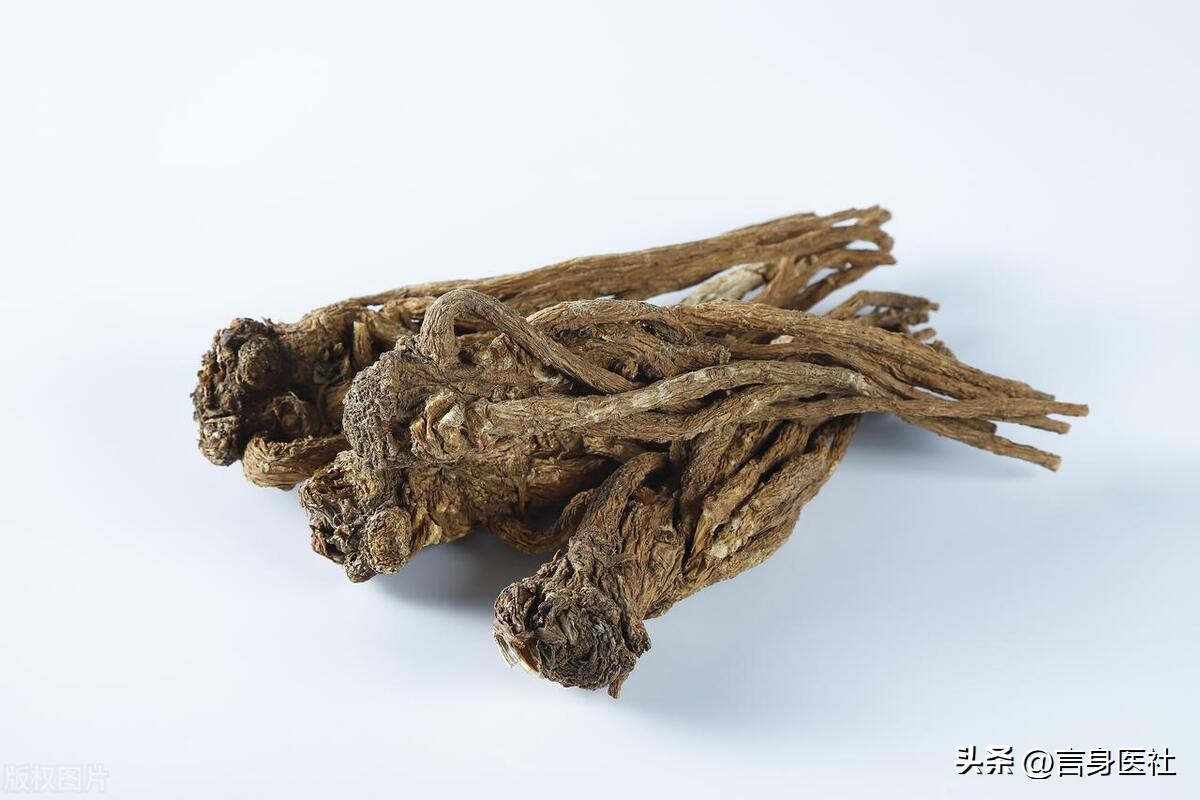
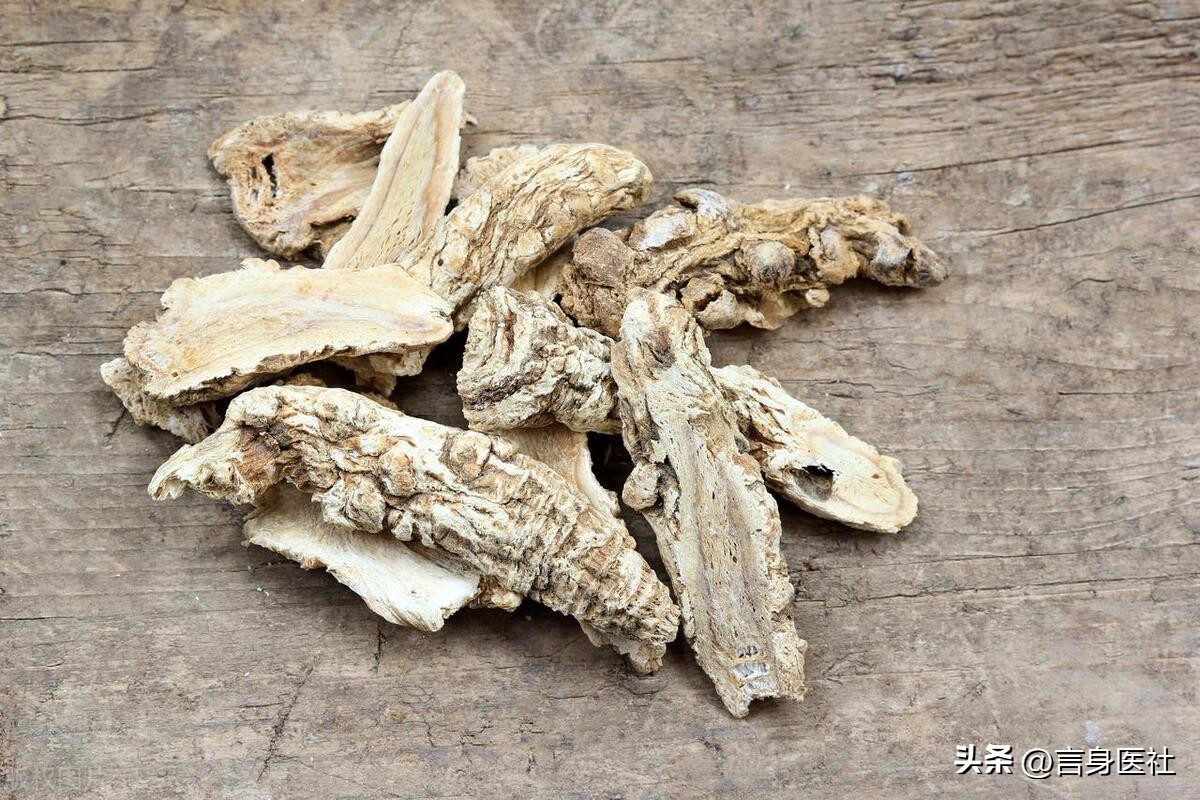
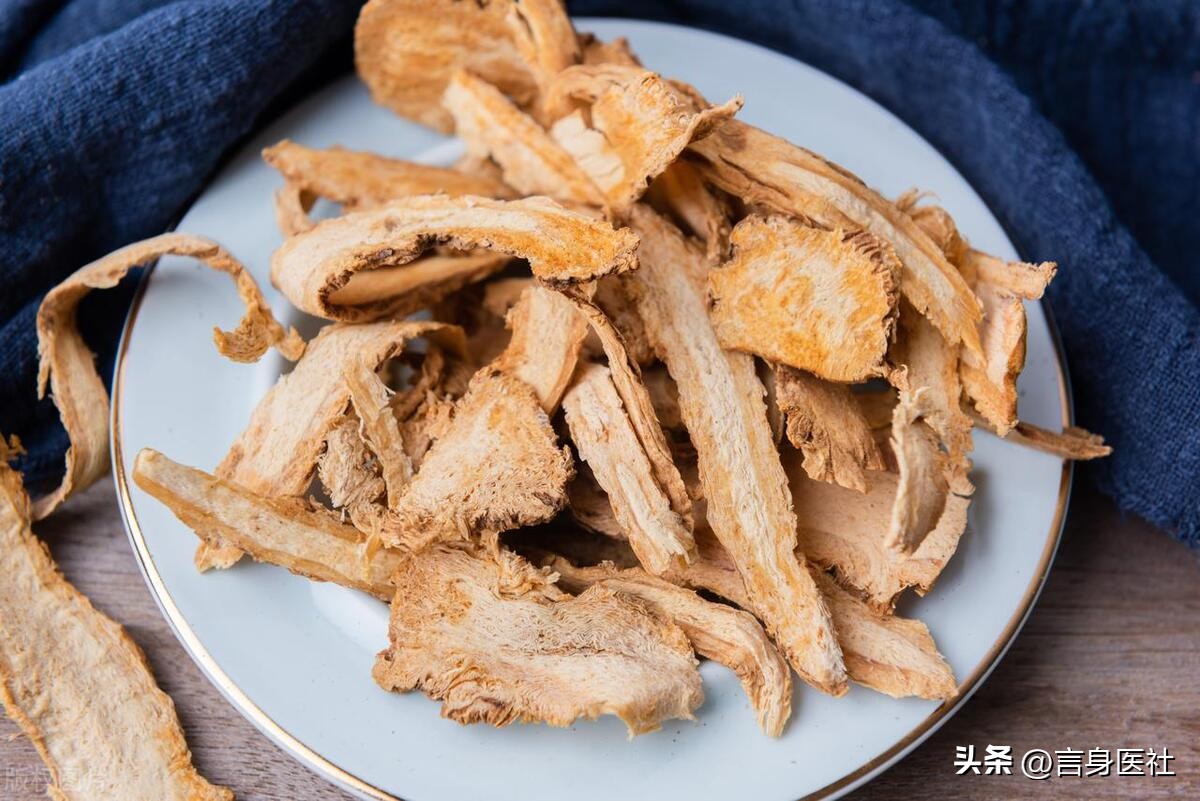
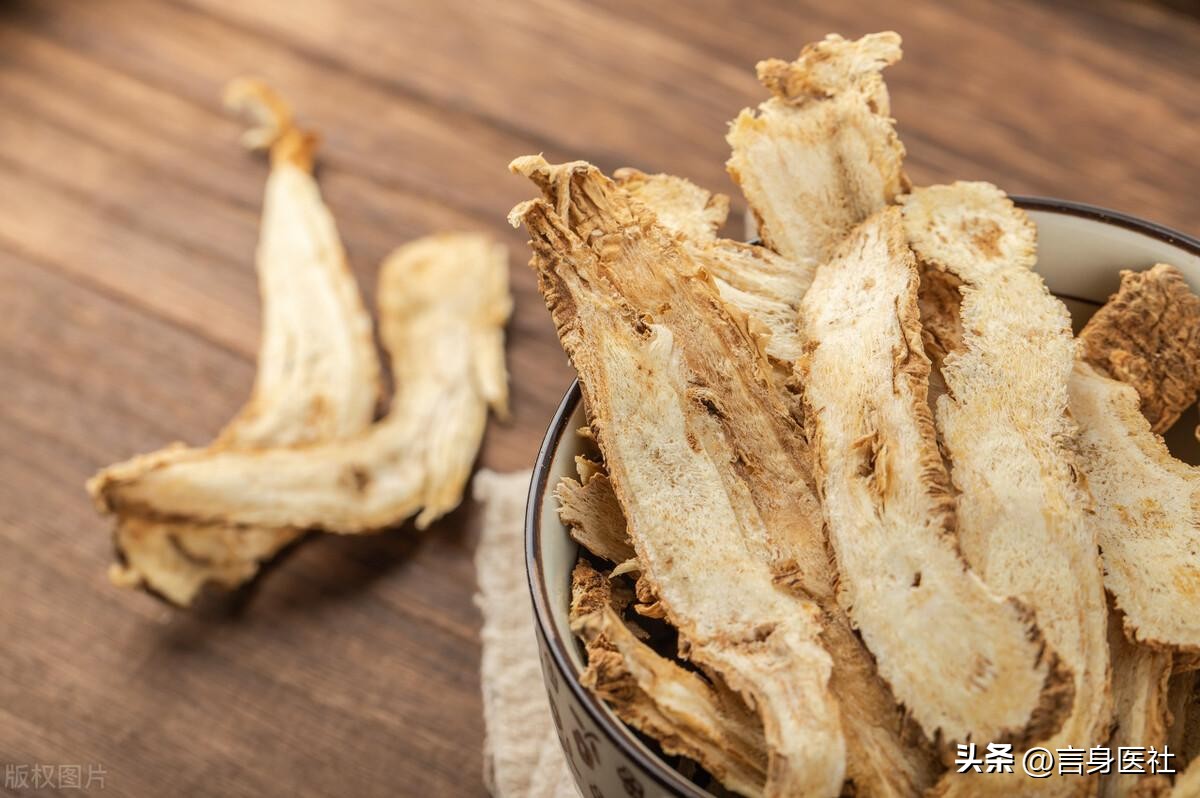
Chinese angelica (Angelica sinensis), categorized as a blood-tonifying herb in traditional Chinese medicine, is the dried root of the umbelliferous plant Angelica sinensis (Oliv.) Diels. Primarily cultivated in Gansu Province, the roots are harvested in late autumn. After removal of fibrous roots and soil, they are bundled and air-dried until partially dehydrated, then slowly smoked over fire before being sliced thinly. The herb emits a strong aromatic odor with a sweet, pungent, and slightly bitter taste. Premium quality specimens exhibit pliable texture, yellowish-white cross-sections, and intense fragrance. It is used either in raw form or processed with wine.
This product has a sweet and pungent taste with warm properties. It belongs to the liver, heart, and spleen meridians. Its effects include nourishing blood, promoting blood circulation, regulating menstruation, relieving pain, moisturizing intestines, and relaxing bowels.
Note: Contraindicated in cases of excessive dampness with abdominal fullness and loose stools.
"The Pharmacopoeia of Chengbanya Half Gatha"
Originating from the valleys of Longxi, it is now widely cultivated in Dangzhou, Dangzhou, Yizhou, Songzhou, Qinzhou, and Wenzhou. In mid-spring, it sprouts leaves resembling those of peonies, tender green with three lobes. From July to August, it blooms with dill-like flowers, a delicate red pleasing to the eye. The roots are blackish-yellow, with thick, non-dry flesh being superior. Those from Qinzhou have round heads, multiple tails, a purple hue, fragrant aroma, and rich, moist texture—known as "Horsetail Dangguī," the finest variety. Others have large heads, thick tails, a white color, and dry texture—called "Chisel-head Dangguī," unsuitable for use. Generally, Sichuan-grown varieties are potent and aggressive, while Qin-grown ones are gentle and tonic. Lei Gong states: "Remove the root crown, soak overnight in wine. For stopping or breaking blood stasis, the head and tail differ in effect: the head breaks stasis, the tail stops bleeding—using both negates efficacy; single application is key." Zhang Yuansu notes: "The head stops bleeding, the tail breaks blood, the body harmonizes blood; whole root usage combines breaking and stopping." Li Gao adds: "The head stops bleeding and ascends, the body nourishes blood and stabilizes, the tail breaks blood and descends; the whole root activates blood without dispersion." Li Shizhen remarks: "Lei and Zhang’s theories diverge in efficacy. Generally, roots above mid-growth obey heaven’s upward qi flow; below mid-growth, earth’s descending qi. As the human body mirrors heaven and earth, treat upper ailments with the head, middle with the body, lower with the tail, and general conditions with the whole root—this is immutable. Zhang’s theory excels, though Lei’s aligns with nourishment principles." The Classic states: "The visceral qi ascends to the lungs to govern nutritive-defensive and yin-yang circulation; it descends to the kidneys, which store marrow qi. Only the upper can mobilize, the lower can stabilize—lifting requires pressing first, pressing demands lifting first. Movement contains stillness, stillness harbors movement: this is the interplay of upper and lower." For storage, sun-dry thoroughly, wrap in paper while hot, and seal in jars to prevent moth damage.
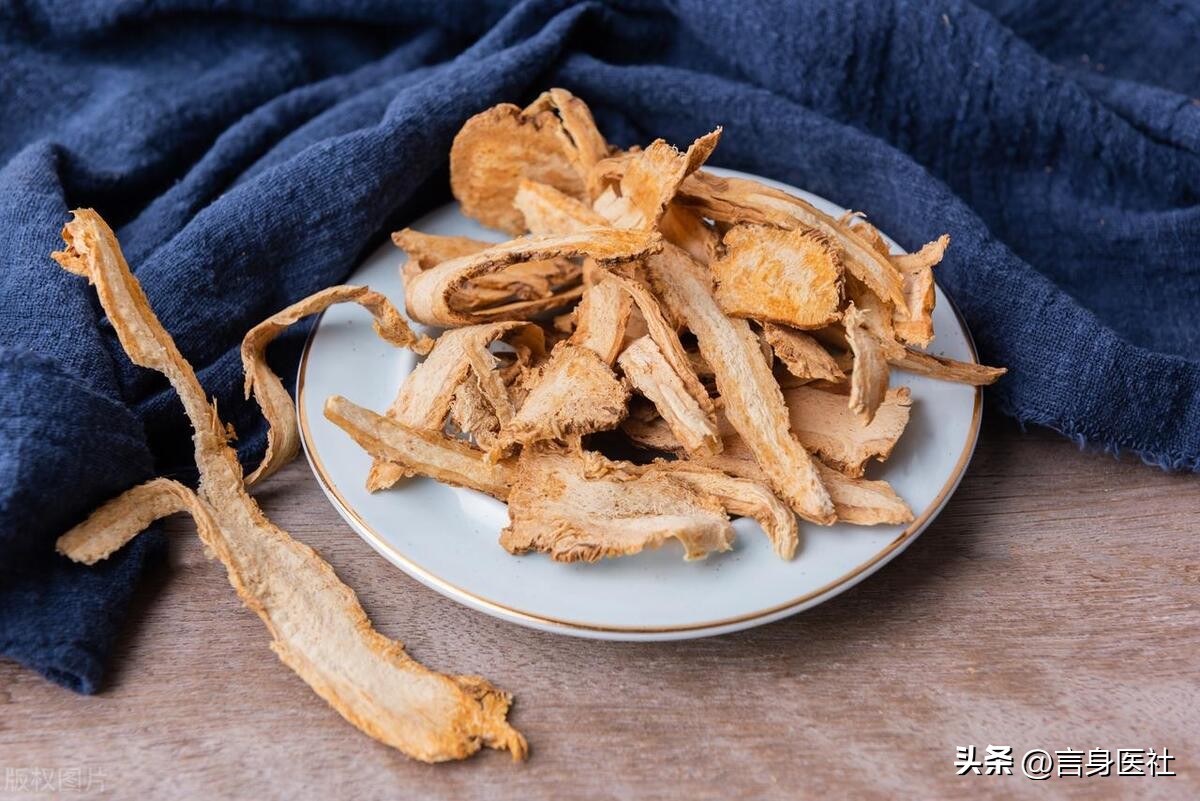
The historian said: In ancient times, people summoned each other with "Wenwu." Wenwu is Angelica sinensis, named after its functions. Bitter in taste, warm in qi, fragrant in smell, and purple in color, it naturally enters the heart, serving as a guiding herb for the heart, acting on both the blood and qi aspects of the heart. To classify it solely as a blood-nourishing herb is to misunderstand its true nature. Why? Blood cannot circulate through the meridians and nourish the body without the support of qi—they depend on and complement each other. The classics state: The visceral essence connects with the heart, and the heart stores the qi of the blood vessels. Conditions like coughing with rebellious qi upward indicate qi failing to return. The skin is where the nutrient qi resides; malarial fevers manifest not externally on the skin or internally in the muscles but subtly within the skin itself—a sign of pathogenic factors failing to return and nutrient qi lacking direction. For metrorrhagia, it is blood failing to return to its course. For infertility, it is blood lacking its resting state. For wounds, it is blood failing to circulate. For sores and ulcers, it is qi failing to contain. Angelica sinensis assists the function of qi and enhances the substance of blood, enabling qi, blood, and pathogenic factors to return to their proper places. Boiling it into a decoction and drinking it helps promote and regulate qi. As the Tang poem says: "Flax seeds are ready for sowing, yet no one sows them; it is the time to return, yet no one returns"—indeed, there is profound meaning in this.
"The Classic of Herbal Medicine"
Angelica sinensis has red flowers and black roots, with a bitter and warm odor, embodying the water and fire energies of the Shaoyin meridian. It treats coughing with rebellious qi ascending because it regulates the interaction between heart and kidney qi, restoring their proper flow and thus resolving cough and rebellious qi. For malarial fever with chills felt in the skin, it assists the heart in directing blood through the meridians to nourish the skin, thereby treating the alternating chills and fever in malarial conditions. For women with incessant uterine bleeding and infertility, it supports kidney essence to ascend from the uterus and connect with the pericardium, addressing abnormal uterine bleeding and infertility. It treats various malignant sores and ulcers by nourishing blood and detoxifying. For wounds from metal implements, it promotes blood regeneration and muscle growth. While most herbs are decocted, Angelica sinensis is specifically instructed to be boiled for its juice. This is because the middle burner (spleen and stomach) produces fluids that transform into red blood. Angelica nourishes these middle burner fluids to generate blood, hence the emphasis on boiling for its juice. Drinking the extracted juice ensures the highest potency of its essence. In the *Shennong Bencao Jing*, specific preparation methods like frying for Atractylodes (术), making soup for Rehmannia (地黄), and boiling juice for Angelica (当归) each carry intentional meanings that require careful consideration.
"Compendium of Materia Medica"
Angelica sinensis
Enriching blood, moistening dryness, lubricating bowels
Sweet and warm to harmonize blood, pungent and warm to disperse internal cold, bitter and warm to support the heart and dispel cold (all blood pertains to the heart; to unblock the vessels, one must first tonify the heart—danggui's bitter-warm nature supports the heart). Enters the heart, liver, and spleen (the heart generates blood, the liver stores blood, the spleen governs blood), serving as the qi-moving herb among blood-nourishing herbs.
Treats consumptive disorders with alternating chills and fever, cough and counterflow qi upward (when blood harmonizes, qi descends), warm malaria (Jueyin liver pathogen), dysentery (bloody stool is called li), headache and lumbago, various pains in the heart and abdomen (dispels cold and harmonizes qi), wind-induced convulsions without sweating (convulsions pronounced as "qing" in rising tone - refers to rigid body, stiff neck, and opisthotonos; convulsions without sweating are called rigid convulsions, while those with sweating are called soft convulsions. Angelica sinensis acridly disperses wind and warms to harmonize blood. Postpartum convulsions may also occur due to blood loss failing to nourish tendons - Ten-Ingredient Great Tonifying Decoction is indicated), wilting syndrome and impediment disorders, concretions and conglomerations (lax sinews and bones with inability of feet to bear weight is called wilting; wind-cold-dampness lodging in muscles and vessels is called impediment; congealed blood and accumulated qi forming hard masses upon palpation are called concretions; although hard, those that gather and scatter irregularly are called conglomerations, not yet reaching concretion stage), welling-abscesses and flat-abscesses, sores and ulcers, Chong vessel disorders with counterflow qi and internal urgency, Dai vessel disorders with abdominal pain and waist feeling dissolved as if sitting in water (the Chong vessel originates below the kidneys, emerges at the qi thoroughfare, ascends alongside the navel to the chest, upwards to the pharynx, seeps into all yang channels, irrigates all vessels, descends into the feet, seeps into the three yin, and irrigates all collaterals - it serves as the sea of the twelve regular channels governing blood. The Dai vessel horizontally encircles the waist like a girdle, collectively restraining all vessels), as well as various deficiencies in women, all blood disorders, and cases of yin vacuity with yang losing its attachment.
Moistens the intestines, nourishes the skin, enriches the blood and promotes tissue regeneration (abundant blood leads to flesh growth), expels pus and relieves pain (harmonized blood alleviates pain). However, it lubricates the large intestine and should be avoided in cases of diarrhea (Angelica sinensis serves as the sovereign herb, Paeonia lactiflora as the minister, Rehmannia glutinosa as the assistant, and Ligusticum chuanxiong as the envoy, collectively known as the Four Substances Decoction—a fundamental formula for blood regulation. For blood deficiency, supplement with Panax ginseng and Astragalus membranaceus; for blood heat, add Scutellaria baicalensis, Gardenia jasminoides, and Coptis chinensis; for blood stasis, include Rheum palmatum and Pharbitis nil. Note: Blood belongs to yin, and the Four Substances can nourish yin. When yin is nourished, blood naturally regenerates—the Four Substances themselves do not generate blood. For individuals with qi deficiency and blood weakness, Panax ginseng should be used to activate yang and promote yin-blood production. Overuse of these yin-stagnating Four Substances drugs can be harmful). It directs qi and blood to their proper functions, hence its name "Danggui" (Angelica). (It can unblock blood stagnation, replenish blood deficiency, moisten blood depletion, and regulate disordered blood. Its pungent-warm nature activates qi circulation, harmonizing qi and blood. Li Dongyuan noted: The root tip stops bleeding and ascends; the main stem nourishes blood and stabilizes the middle; the root tail breaks blood stasis and descends; the whole root invigorates blood without dispersal. Both Lei Xiao and Hai Zang stated the root tip breaks blood stasis. Li Shizhen clarified: The tip treats upper disorders, the stem treats middle disorders, the tail treats lower disorders, while the whole root is for comprehensive treatment—this principle is definitive).
Sichuan-produced angelica excels in its strong attacking properties, while Shaanxi-produced angelica is mild and excels in nourishing. The best quality comes from Shaanxi, featuring a round head, plump and moist tail with strong fragrance - called "horse-tail angelica". Those with thick, hard and dry tails are called "head angelica", suitable only for dispersing purposes. For blood disorders, alcoholic preparation is used; for phlegm conditions, ginger preparation is employed (Ang's note: Angelica is not a phlegm-treating herb, so ginger preparation is mere conjecture).
It should not be used with Acorus calamus, Sargassum, or fresh ginger. It is incompatible with wet flour products.
Modern Pharmacology
The Chinese herb Angelica sinensis primarily contains volatile oils such as ligustilide, butylidenephthalide, carvacrol, verbenone, safrole, and p-ethylbenzaldehyde; organic acid components including ferulic acid, vanillic acid, nicotinic acid, and succinic acid; as well as polysaccharides, vitamins, amino acids, and other compounds.
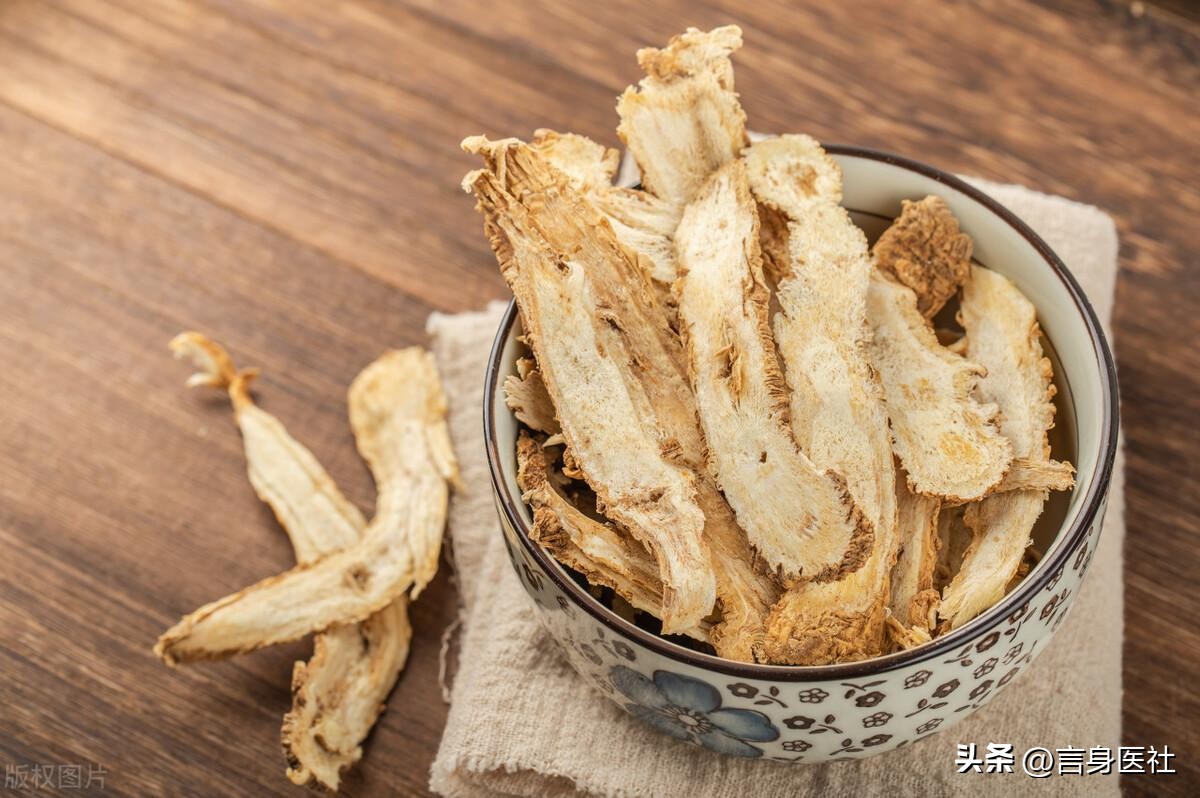
The volatile oil of Angelica sinensis (Danggui) in traditional Chinese medicine can counteract the excitatory effects of adrenaline, posterior pituitary extract, or histamine on the uterus. Water- or alcohol-soluble non-volatile substances have excitatory effects on isolated uterus, with alcohol-soluble substances showing stronger effects than water-soluble ones. The aqueous extract significantly promotes hemoglobin and red blood cell production in mice. Angelica sinensis and its sodium ferulate exhibit obvious antithrombotic effects. The extract of this herb can dilate coronary arteries in isolated guinea pig hearts, increase coronary blood flow, and shows significant protective effects against experimental myocardial ischemia. Additionally, it has effects such as enhancing immune function, inhibiting granulation tissue proliferation in the late stages of inflammation, anti-lipid peroxidation, antitumor activity, antibacterial properties, and radiation resistance.