Angelica sinensis
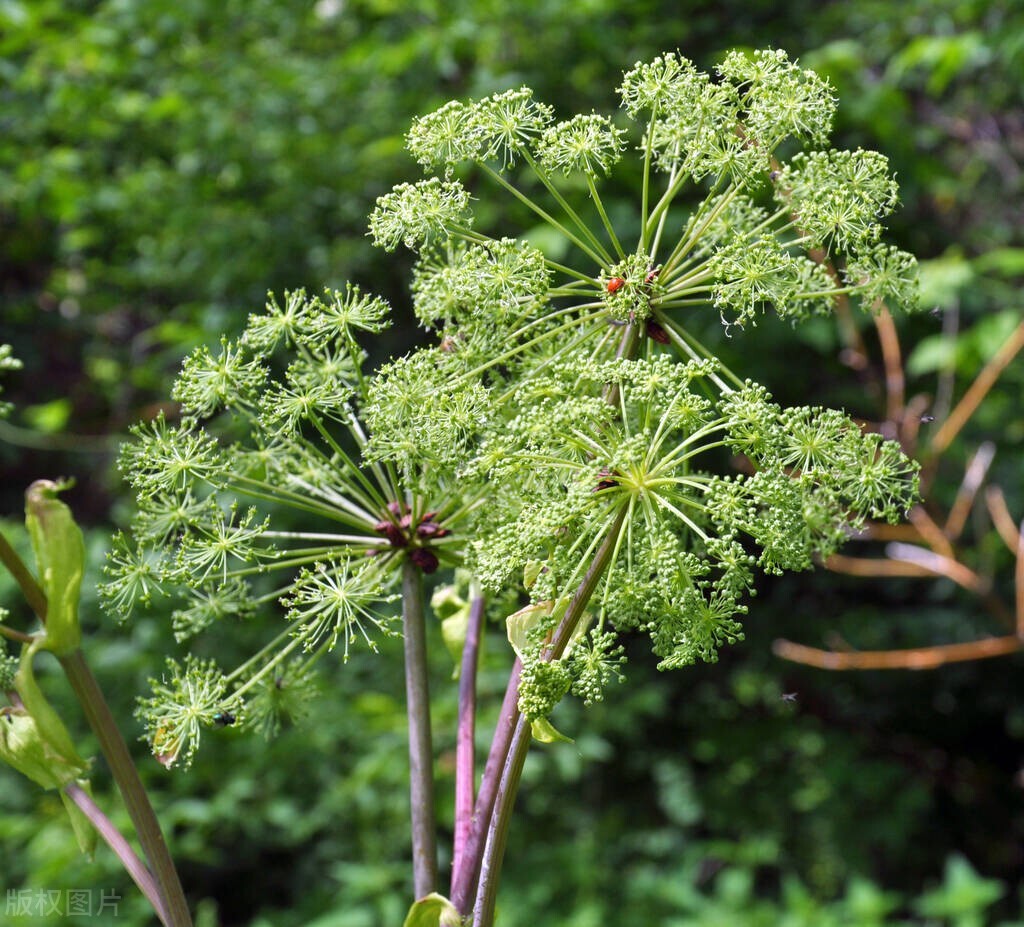
Angelica is bitter in taste, warm in nature, and aromatic (its bitterness carries the fire element and enters the heart, its warmth inherits the wood element and enters the liver, while its aroma moves towards the spleen. The heart generates blood, the liver stores blood, and the spleen governs it)
It specializes in blood-related functions with unique expertise (it can unblock stagnant blood, replenish deficient blood, moisten withered blood, and stabilize disordered blood)
Regulates blood circulation to relieve heart and abdominal pain (As a blood-nourishing and warming herb, it can regulate blood, dispel cold, and alleviate pain)
Highly effective for various gynecological conditions (Treats all blood-related disorders in gynecology. For cases where yin deficiency causes yang to detach, it moistens intestines, nourishes skin, removes blood stasis while generating new blood, warms middle jiao, nurtures nutrient qi, activates blood circulation, relaxes tendons, drains pus, and relieves pain - directing qi and blood to their proper pathways. Dong Heng states: "The head portion stops bleeding and ascends, the middle portion nourishes blood and stabilizes, the tail portion breaks stasis and descends, while the whole herb harmonizes blood flow.")
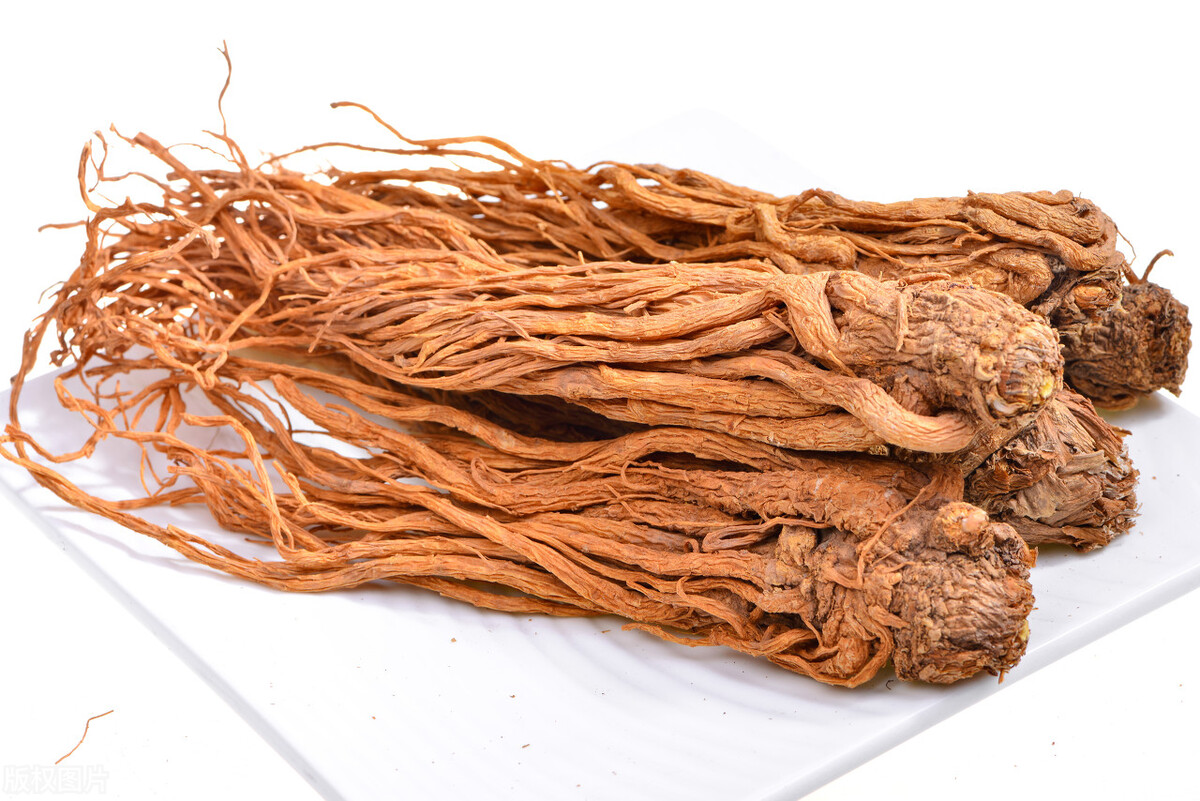
White Angelica (also called Wenwu) has bitter-warm nature and aromatic quality, entering Heart, Liver, and Spleen meridians.
Contraindicated with dampness-inducing foods.
Avoid when using with Acorus calamus, Sargassum, or fresh ginger.
Sichuan-produced Angelica is strong and effective for dispersing, while Shaanxi-produced Angelica is gentle and effective for tonifying. The best quality is the one from Shaanxi, with round heads, numerous roots, plump and moist texture, fragrant aroma, and white inner color, known as "Horse Tail Angelica."
The ones with dry, hard, and thick tails are called "Mixed Head Angelica" and are only suitable for dispersing functions.
When stir-fried with wine, it promotes blood circulation; when stir-fried with vinegar, it stops bleeding; when stir-fried with soil, it strengthens the spleen; and when stir-fried with glutinous rice powder, it benefits the stomach.
Extremely effective for lubricating intestines; contraindicated in cases of diarrhea.