The best medicine in the world is yang energy. A simple trick to boost yang energy.
Do you often find yourself like this?
Even in the height of summer, you feel the chill, with hands and feet always ice-cold?
Feeling like you're wrapped in wet clothes, heavy and drained of energy, with a foggy head?
Tongue all puffy, with teeth marks on the sides?
Your back, shoulders, legs, and feet—always aching and sore, with discomfort everywhere?
Feeling sluggish all day and lacking motivation for anything?

If you experience several of the above symptoms, from a traditional Chinese medicine perspective, this likely indicates insufficient yang energy and an excess of cold and dampness in the body. TCM views yang energy as the body's "inner sun," responsible for warming the entire body, promoting the circulation of qi and blood, and defending against external pathogens (cold and dampness). When yang energy is weak, the body becomes prone to feeling cold, dampness accumulates without proper elimination, and qi and blood flow becomes obstructed—naturally leading to the aforementioned discomforts.
Here's a little recipe: Steep cinnamon and chai hu in water to drink.
Method: Take 3 grams of cinnamon and 5 grams of chai hu. Steep in boiling water for about 10 minutes, then drink as tea.
Why choose these two?
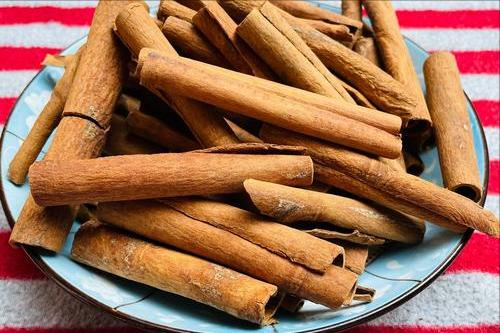
Cinnamon: It excels at warming and tonifying yang energy, particularly adept at warming the kidneys and spleen-stomach. Traditional Chinese medicine describes its ability to "nourish fire and assist yang," "dispel cold and relieve pain," and "warm and unblock meridians." Simply put, it adds a "gentle warmth" to the body, dispels cold, and promotes smoother circulation of qi and blood. It is especially effective for cold pain in the lower back and knees, as well as cold hands and feet.
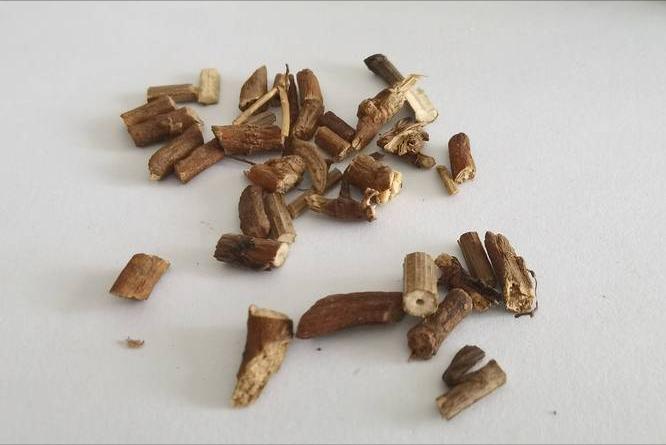
Bupleurum: Its primary functions are to "lift and raise yang energy" and "soothe the liver and relieve depression." When yang energy is deficient, it can sometimes "sink" downward. Bupleurum helps lift and raise this energy, distributing it to where it is needed. Simultaneously, it promotes the smooth flow of qi throughout the body, ensuring energy pathways remain unobstructed. When combined, cinnamon provides "warming tonification," while bupleurum handles "lifting and raising" and "unblocking." This synergy nourishes yang energy without causing excessive heat.
Here's a real-life example:
Aunt Wang, 45, works as an office clerk. She suffers from chronically cold hands and feet year-round, avoids air conditioning even in summer, and constantly feels chills down her back. She tires easily, experiences afternoon drowsiness, and endures stiff, aching shoulders and neck. Her tongue appears swollen with tooth marks. After consulting a TCM practitioner, she was diagnosed with "spleen-kidney yang deficiency with internal cold and dampness."Beyond advising her to stay warm and engage in moderate exercise, the doctor also recommended this cinnamon and chai hu tea (alongside other treatments). After drinking it consistently for nearly a month, Aunt Wang noticed her hands and feet felt much warmer, her aversion to cold lessened, her afternoon energy improved, and her shoulder soreness eased. She remarked with surprise, "Who would've thought just two simple herbs steeped in water could actually warm me up!"
Important Notice:
This simple herbal tea formula is suitable for individuals like Aunt Wang who experience yang deficiency with cold sensitivity, cold hands and feet, and cold pain in the lower back and knees. However, everyone's constitution differs, and the severity of cold-dampness varies. If symptoms are pronounced or if you feel unwell after drinking it, it's best to consult a professional TCM practitioner. A clear diagnosis before adjustment ensures a safer approach. While many wellness methods exist, the one that suits you best is the most effective!