Take this "First Lesson in Safe Skiing": Falling Techniques + Emergency Handling to Help You Get Through the Ski Season Safely
As the snow season approaches, major ski resorts are opening one after another, with skiing enthusiasts preparing their gear and booking ski passes—many of whom are first-time skiers.
However, skiing carries certain risks due to high speeds, complex terrain, and unpredictable weather. A momentary lapse in attention can lead to fractures, ligament tears, or even more serious injuries. Only by mastering fundamental safety knowledge and skills - including equipment selection, speed control, fall protection, and injury management - can risks be reduced and "skiing straight to orthopedics" avoided. Safe skiing should be every snow enthusiast's first lesson before hitting the slopes.
Safety Preparations Before Skiing
First and foremost, under the careful guidance of a professional coach, meticulously select suitable skiing equipment such as skis, ski boots, and poles, ensuring all gear matches your skill level.
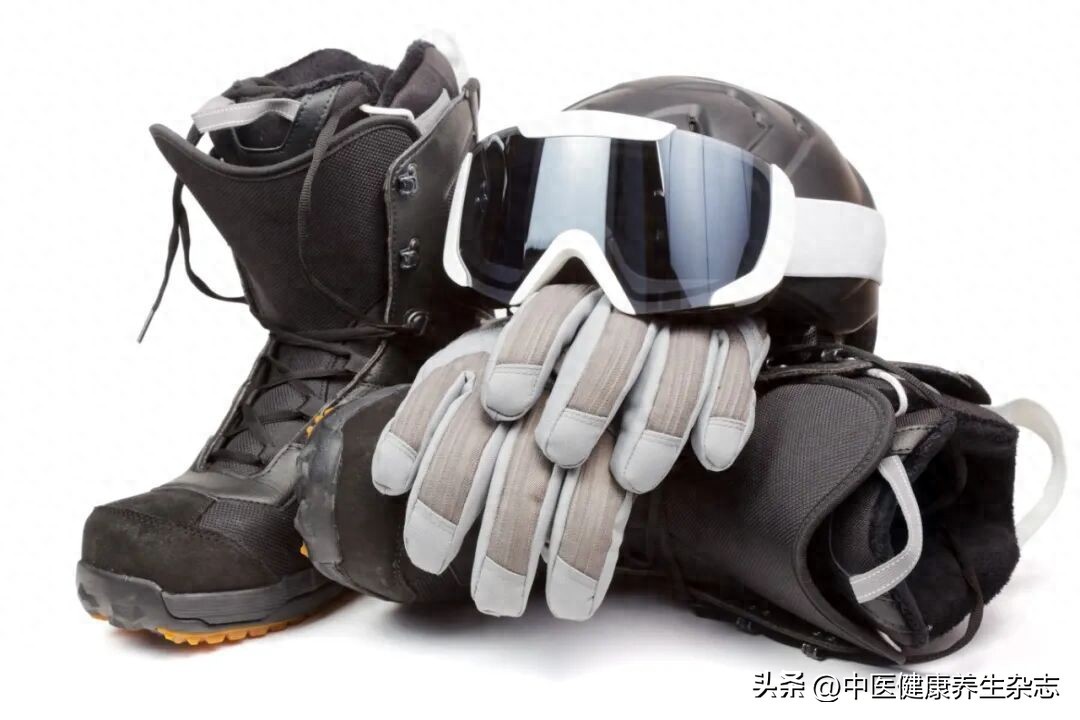
Secondly, during the skiing process, one should be bold yet cautious, maintaining high concentration at all times and following the principle of gradual progression. Choose skiing areas that are relatively open and less crowded, and select a ski slope level that matches your skill level. Avoid operational errors caused by distraction or overconfidence, ensuring every skiing maneuver is precise and safe.
Mastering the Correct Falling Posture
Forward falling posture
When sensing that your body's center of gravity is tilting forward and you're about to fall forward, immediately lower your center of gravity by squatting with your legs to adjust your posture. At this moment, naturally open your arms and extend them forward, or cross them in front of your chest. This can effectively prevent wrist sprains or fractures from directly bracing against the ground. Simultaneously, let your whole body lean forward naturally and make full contact with the snow surface, ensuring a relatively safe impact with the snow during the fall.
Backward falling posture
If you feel your center of gravity leaning backward and are about to fall backward, it is crucial to quickly lower your body's center of gravity. Immediately bend and hug your knees with both hands, curling your body as tightly as possible into a ball. Upon impact, ensure that your buttocks and back make contact with the ground simultaneously to evenly distribute the force of the fall, then allow your body to roll backward to absorb the impact. Throughout this process, remember to lift your skis to prevent them from colliding with the snow or other obstacles.
Incorrect Falling Techniques
Using hands to brace the fall: This method is highly dangerous for the wrists and may cause injuries. If you instinctively extend your palms to break the fall, the wrist joint is forced into dorsiflexion. The combined weight and sliding momentum concentrated on the wrist can easily lead to fractures or ligament tears.
Sitting back on the buttocks: This can result in bruises and unnecessary pain. If the tailbone strikes hardened snow first, it may cause a coccyx fracture or sacrococcygeal joint dislocation. The impact traveling up the spine could also lead to lumbar vertebrae fractures.
Kneeling fall: When one or both knees impact vertically against the snow surface, direct impact on the patella may cause fractures or ligament injuries. Knee injuries increase the risk of secondary falls.
First Aid Measures for Accidental Falls
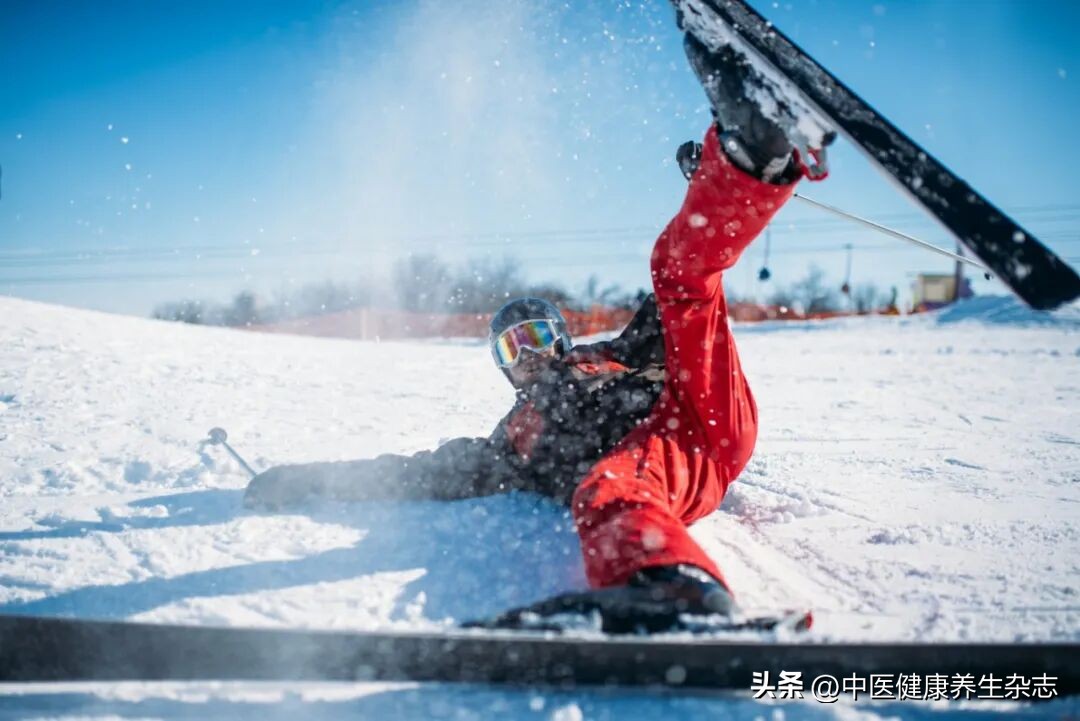
First, immediately stop skiing and ensure you are in a safe position. Avoid continuing to ski or any movements that may worsen the injury to prevent further harm.
Second, rescuers should first determine whether the injured person is conscious and responsive, checking for unconsciousness or disorientation. If there are only minor abrasions or sprains, rest and observe the injury on-site, applying an ice pack to the affected area (avoid direct contact between ice and skin to prevent frostbite) for about 20 minutes each time to reduce swelling and pain. If pain intensifies, significant swelling, or limb deformity occurs, it may indicate fractures or severe soft tissue damage, requiring immediate professional medical attention—especially for elderly patients, avoid moving them casually to prevent aggravating the injury. For open wounds, disinfect with povidone-iodine, iodine tincture, or hydrogen peroxide before assessing whether stitches are needed based on the wound size to prevent infection.
If the injury is relatively minor and shows significant improvement after initial treatment, consider resuming skiing activity if it's safe to do so. However, if the injury is severe or worsening persistently, call emergency services immediately. While waiting for help, take supportive measures such as keeping the injured person warm with clothing or other items to prevent hypothermia-related complications, and actively reassure them to alleviate fear and anxiety.