Identifying and Selecting Quality Coix Seed for Dampness Removal and Spleen Protection
In the fast-paced modern lifestyle, dampness accumulation and spleen-stomach imbalances have become common health concerns for urban dwellers. A bowl of refreshing coix seed porridge can help dispel body dampness and regulate spleen-stomach function.
Coix seed, revered as the "King of Gramineae" in Shennong's Classic of Materia Medica, is also recognized as a "superfood" in modern nutrition science. Throughout history, it has served not only as a classic herbal medicine in TCM for fortifying the spleen and eliminating dampness, but also as a common health food on everyday dining tables. This versatile grain frequently appears in recipes like adzuki bean and coix seed porridge, coix seed health tea, and medicinal cuisine soups.
Promotes diuresis to eliminate dampness, strengthens spleen to stop diarrhea
Coix seed is the dried mature seed kernel of the grass family plant Coix lacryma-jobi, first recorded in "Shen Nong's Herbal Classic." It is a common dual-purpose medicinal and edible product with effects such as promoting diuresis to eliminate dampness, strengthening the spleen to stop diarrhea, relieving rigidity of muscles and joints, draining pus, detoxifying, and resolving masses. It is commonly used to treat conditions like edema, beriberi, dysuria, diarrhea due to spleen deficiency, damp obstruction with contracture, lung abscess, and intestinal abscess.
Modern research has found that coix seed is rich in various active components, including fatty acids, esters, carbohydrates, flavonoids, and alkaloids. Modern pharmacological studies suggest that coix seed has immunomodulatory, analgesic, hypoglycemic, and lipid-lowering effects, showing good intervention potential for certain chronic diseases such as chronic enteritis.
Coix seed has broad clinical applications
As a dual-purpose medicinal and edible grain, coix seed demonstrates significant efficacy in multiple aspects, offering unique advantages in promoting diuresis to eliminate dampness, strengthening the spleen to stop diarrhea, clearing heat, and draining pus. Precisely because of these outstanding benefits, coix seed has found extremely widespread applications in modern industries. It is not only used as a core component in the research and production of various traditional Chinese medicine preparations but also frequently serves as a primary raw material in the health food sector, such as in instant beverages and pastries. Additionally, in the cosmetics industry, coix seed extract is widely used in various beauty products like moisturizing creams, masks, and facial cleansers due to its excellent moisturizing, whitening, and anti-inflammatory properties, delivering multiple benefits such as improving skin texture and brightening complexion.
How to determine the quality of coix seed
Identification of authenticity
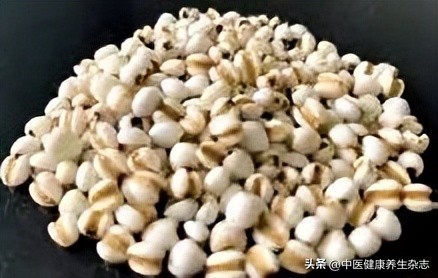
Job's Tears (slender shape): Smaller in size with narrower longitudinal grooves, width is less than length.
Coix Seeds (short and stout shape): Larger in size with wider longitudinal grooves, width is greater than or equal to length.
Job's Tears

Coix Seeds
Identifying Superior Quality
High-quality Job's tears are characterized by plump, uniformly sized grains with a milky white or pale yellow hue. The surface exhibits a natural, powdery luster without reflective glare. When gently rubbed between the fingers, the texture should be dry and non-sticky; chewing reveals a mildly sweet and glutinous taste. Premium Job's tears should be free from musty odors, greasy smells, or rancid scents, with minimal presence of broken grains, shriveled seeds, insect damage, or black spots. When sniffed, they emit a natural cereal aroma without any pungent odors. It is advisable to select products that have not undergone polishing or sulfur fumigation, and those with excessively uniform snow-white coloration should be chosen with caution.

The Medicinal Wonders of Coix Seed in Dietary Therapy
Due to their hard texture, Job's tears require prolonged cooking to become soft. It is recommended to soak them in warm water for 2-3 hours before cooking to allow full hydration and softening. During cooking, use the soaking water along with the grains to minimize nutrient loss and enhance the final texture and quality of the dish.
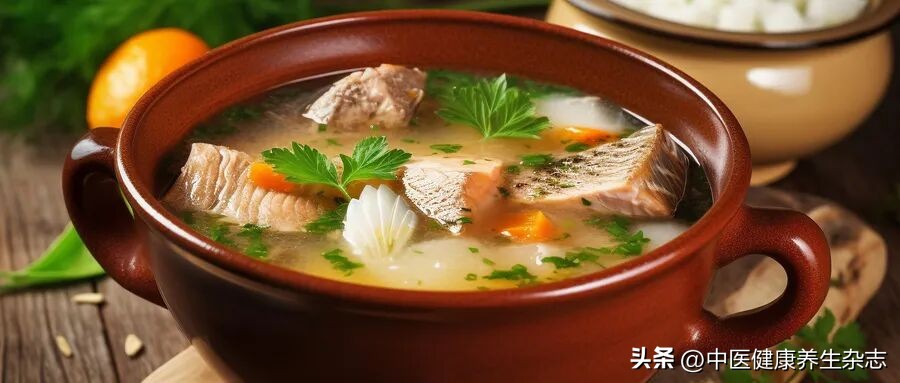
Job's Tears, Winter Melon, and Crucian Carp Soup
[Ingredients] 20g coix seed, 200g winter melon (with peel), 1 crucian carp (about 300g), 10ml cooking wine, 10g scallion sections, 5g ginger slices, 2g salt, 2ml sesame oil, 800ml water.
[Preparation]
1. Wash the coix seeds thoroughly and soak them in ample water for 1 hour.
2. Scale, gut, and remove gills from the crucian carp. Rinse thoroughly and make two shallow cuts on each side of the fish, then pat dry.
3. Pour 800ml of water into a pot, add soaked coix seeds along with an appropriate amount of soaking water, and bring to a boil over high heat.
4. When boiling, add the whole fish, scallion sections, and ginger slices. Sprinkle with cooking wine, reduce to low heat, and simmer gently for 50 minutes maintaining a slight boil.
5. Rinse winter melon and cut into 0.5cm thick slices with skin on. Continue simmering for another 10 minutes over low heat.
6. Season with salt, turn off the heat, drizzle with sesame oil, and serve.
[Effects] Tonifies the spleen and replenishes qi, promotes diuresis and reduces edema.
Coix Seed and Adzuki Bean Soup
Ingredients: 30g coix seed, 30g red adzuki beans, 700ml water.
1. Rinse coix seed and adzuki beans, then soak in warm water for 2-3 hours.
2. Place the soaked coix seed and adzuki beans in a clay pot, add clean water along with some of the soaking water from the coix seeds. Bring to a boil over high heat, then reduce to low heat and maintain a gentle simmer for 40 minutes until the beans and seeds become soft.
3. Turn off the heat, let cool slightly, then consume together with the broth.
[Effects] Strengthens the spleen to eliminate dampness, reduces swelling and detoxifies.