Heavy Snow: Seasonal "Conservation and Storage" to Protect Yang Qi – Dietary and Exercise Considerations
Major Snow, the 21st solar term and the third in winter according to the traditional Chinese calendar. Historical records describe: "When the Big Dipper points northeast and yin energy accumulates to form snow, the season becomes bitterly colder with heavier snowfall than in Minor Snow, hence its name."
According to Traditional Chinese Medicine theory, during the Major Snow solar term, the body's yang energy is stored while yin energy reaches its peak, making it essential to focus on "nourishing and storing" during health maintenance.
Three Key Points of "Conservation and Storage"
Nurturing Yang Energy – Sleep Early and Rise Late, Maintain Warmth
First, in terms of daily routine, we can go to bed early and get up late appropriately, waiting until after sunrise to start activities. Going to bed early helps preserve the body's yang energy, maintaining warmth, while getting up late appropriately nurtures the body's yin energy. At the same time, pay attention to keeping the head, neck, back, and feet warm, as these are the areas where yang energy is most easily lost, preventing the invasion of cold pathogens.
Conserving Heat—Eat More Warm Foods to Combat Cold
Second, in terms of diet, consume more warming foods. During the Heavy Snow season, it’s beneficial to eat moderate amounts of warm-natured meats such as beef and lamb, which help us resist the cold. For example, lamb stewed with radish is an excellent health-preserving dish. Lamb has a warming nature, replenishing deficiency and warming the middle, while promoting appetite and strengthening the spleen. Radish, on the other hand, aids digestion, soothes qi stagnation, moistens the lungs, and dissolves phlegm. The combination of the two not only nourishes the body but also prevents excessive internal heat.
Conserving Body Fluids—Engage in Gentle Exercise to Minimize Sweating
During the Greater Snow season, moderate exercise is advisable, but intensity should be controlled to avoid excessive sweating. Gentle exercises such as Tai Chi or Baduanjin are recommended.
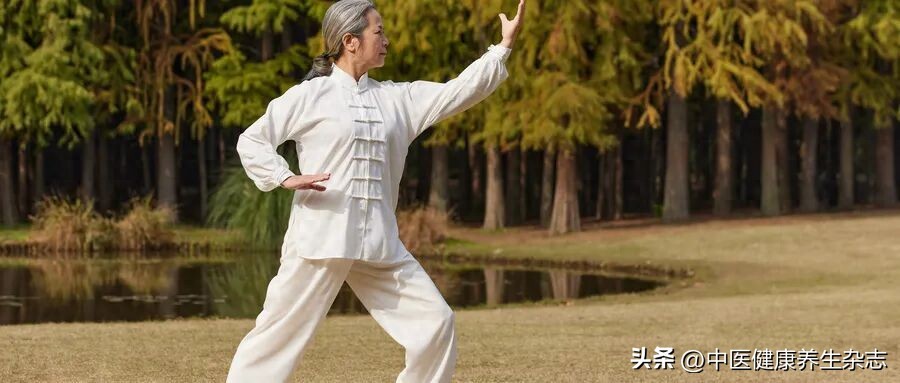
Keeping Both Body and Mind Warm During Heavy Snow
Special attention should be paid to keeping the head, back, and feet warm to prevent strokes and colds. The head is called the "convergence point of all yang energies" - while it gathers yang qi most effectively, it also loses heat most quickly. Wearing a hat when going outside in winter is essential. The Governor Vessel meridian runs along the spinal midline of the back, where cold wind can easily invade the body through meridians, damaging yang qi and potentially triggering cardiovascular diseases. Therefore, thermal undershirts are indispensable in winter. Feet, being farthest from the heart with minimal subcutaneous fat in the soles, contain numerous acupoints connected to internal organs through meridians but have limited heat retention capacity, making them particularly vulnerable to cold. Proper foot warmth through insulated shoes is equally crucial when going outdoors.
The frigid Greater Snow season particularly affects joints, as the areas around joints primarily consist of tendons and ligaments with relatively few blood vessels. The frequent exposure of limbs accelerates heat loss, leading to joint stiffness, poor circulation, and persistent pain. Therefore, arthritis patients must enhance lower limb insulation during cold winters.
During Greater Snow, maintaining emotional stability and calmness is important. Many illnesses originate from emotional factors - for instance, mood fluctuations and irregular routines may trigger glaucoma. This condition often occurs in colder winter months with symptoms including eye pain, ocular distension, vision deterioration, accompanied by headaches and nausea. Maintain emotional balance by avoiding nervous tension and excessive excitement; keep regular daily routines; avoid prolonged stays in dark environments to prevent pupil dilation that increases intraocular pressure; participate in moderate outdoor activities during sunny weather to enhance oxygen supply to retinal vessels while reducing carbon dioxide accumulation, thus preventing elevated eye pressure; minimize outdoor exposure during severely cold weather to limit ocular impact.
Dietary Remedies for Heavy Snow Season Health Preservation
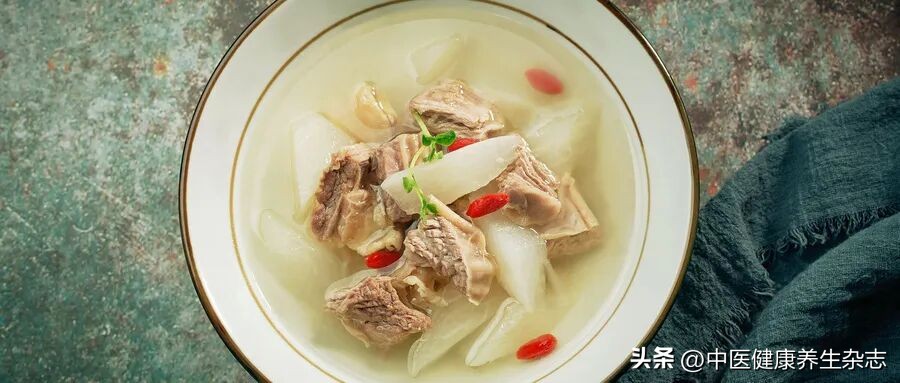
Braised Beef Brisket with Radish
[Ingredients] 500g fresh beef brisket, 500g white radish, 3 slices of ginger, 3 spring onions, 5 star anise, 5g cumin, 5g cinnamon, 5 bay leaves, seasoning including Chu Hou paste, rice wine, soy sauce, rock sugar, etc.
[Preparation] Peel and cut the radish into chunks, then boil for 3 minutes before removing; cut the beef brisket into chunks and blanch in boiling water before draining; slice the ginger and cut the spring onions into sections for later use. Heat oil in a pot, add ginger, spring onions, star anise, cumin, cinnamon, and bay leaves, and stir-fry until fragrant. Then add the beef brisket and an appropriate amount of Chu Hou paste, stir-fry to coat with color, and add water until it is about 2cm higher than the beef brisket. Add an appropriate amount of rice wine, light soy sauce, dark soy sauce, and rock sugar, then cover the pot and braise over medium-low heat for 1.5 hours. Finally, add the radish and continue cooking for half an hour until the beef brisket is tender.
[Benefits] Warms the spleen and stomach, tonifies the middle and replenishes qi, and strengthens muscles and bones. Suitable for those with qi deficiency, weakness, or sore and weak muscles and bones.
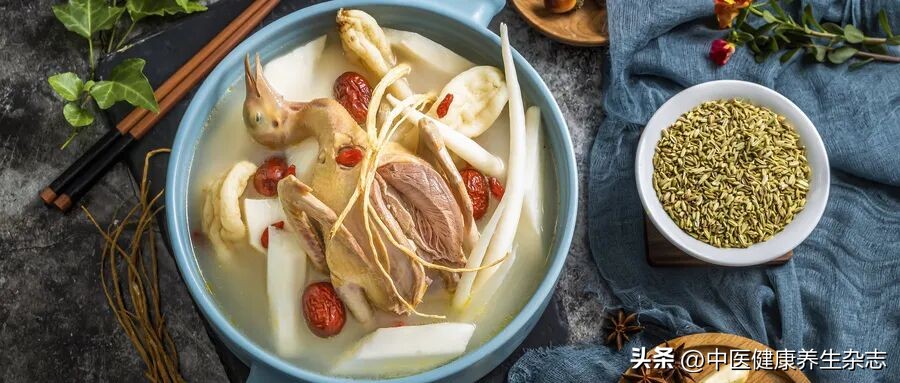
Yam and Goji Berry Chicken Soup
【Ingredients】30g Chinese yam, 15g wolfberry, half a hen (about 500g), 3 slices of ginger, appropriate amount of salt.
【Method】Clean and cut the mother hen into pieces, place it in a clay pot along with huai shanyao (Chinese yam), wolfberries, and ginger. Add an appropriate amount of water, bring to a boil over high heat first, then simmer for 1.5 to 2 hours over low heat. Season with salt to taste.
[Effects] Nourishes yin, strengthens the spleen, benefits the kidneys, and replenishes deficiency.